
Understanding the psychological effects of gambling on decision-making processes
The Nature of Gambling and Its Appeal
Gambling is a multifaceted activity that captivates millions around the world. Its appeal lies not just in the chance to win money, but in the thrill of risk-taking and uncertainty. This excitement can trigger dopamine release in the brain, creating a pleasurable sensation that often leads individuals to engage in gambling more frequently. Many players visit the olymp casino Bangladesh official site to explore how this psychological allure influences their decision-making processes.
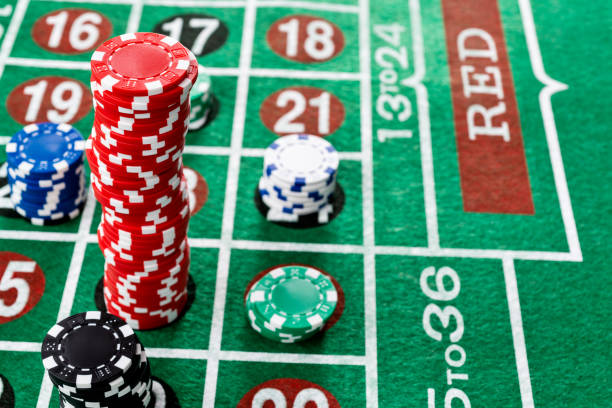
The unpredictability of outcomes in gambling situations can alter a person’s risk assessment. Many gamblers exhibit a belief in luck or destiny, which can skew their decision-making. They may make irrational choices based on emotions rather than logical analysis, further complicating their ability to evaluate potential losses versus gains.
The Role of Cognitive Biases
Cognitive biases play a significant role in how gamblers make decisions. One common bias is the “gambler’s fallacy,” where individuals believe that past events affect future outcomes. For example, if a player loses several times in a row, they might feel that a win is “due,” leading them to make riskier bets. This faulty reasoning illustrates how psychological factors can override rational thinking during gambling.
Additionally, the “illusion of control” is another cognitive bias that influences gamblers. Many believe they can influence game outcomes through skill or strategies, especially in games that appear skill-based, like poker or blackjack. This misconception can lead to poor decision-making as gamblers fail to recognize the inherent randomness in these activities.
Emotional Influence on Decision-Making
Emotions significantly affect how individuals approach gambling and their decision-making processes. High-stakes environments often produce a surge of adrenaline, making it difficult for players to think clearly. During moments of excitement or disappointment, their emotions may lead them to make impulsive choices, such as increasing bets in hopes of recovering losses.
Furthermore, the experience of winning can trigger a cascade of positive emotions, reinforcing the behavior. This emotional rollercoaster can create a cycle where individuals continue to gamble in pursuit of the euphoric feelings associated with wins, neglecting the potential for negative outcomes.
Social Influences and Peer Pressure
The social environment surrounding gambling also shapes decision-making processes. Whether in casinos or online platforms, the presence of other players can create a sense of community and peer pressure that influences individual choices. Gamblers may feel compelled to match the stakes of others or join in on risky behaviors to fit in or gain approval.
Moreover, social norms and shared experiences can skew perceptions of gambling. When players observe others winning, they may underestimate the risks involved, believing that their chances of success are similarly high. This communal mindset can have profound effects on decision-making, leading to more reckless choices.

Exploring Online Gambling Platforms
In today’s digital age, online gambling platforms like Olymp Casino have transformed the landscape of betting. They offer a wide array of gaming options, which can heighten the psychological effects on decision-making. The convenience and accessibility of online gambling make it easier for players to engage without the social constraints often present in physical casinos.
Furthermore, these platforms often employ psychological tactics, such as bonuses and rewards, to entice players. These features can manipulate decision-making processes by creating a false sense of value, encouraging users to gamble more than they might otherwise. Understanding these dynamics is crucial for anyone engaging in online gambling, as they can significantly affect the overall experience and decisions made while playing.
Tell us about your thoughtsWrite message